Unlocking Your Flexibility: The Science Behind Stretching
Unlocking your flexibility is essential for overall health and fitness. The science behind stretching reveals that flexible muscles are less prone to injury and can enhance athletic performance. Stretching increases blood flow to the muscles, promoting recovery and minimizing soreness. It can also improve posture and range of motion, allowing for better movement mechanics during physical activities. According to research, incorporating a variety of stretching techniques, such as static, dynamic, and proprioceptive neuromuscular facilitation (PNF), can help you achieve optimal flexibility gains.
Moreover, flexibility training can play a crucial role in mental well-being. As you stretch, your body releases endorphins, promoting a sense of relaxation and reducing stress. An effective routine may include
- dynamic stretches before a workout
- static stretches after physical activity
- regular mobility exercises throughout the week
10 Essential Stretches for a More Agile Lifestyle
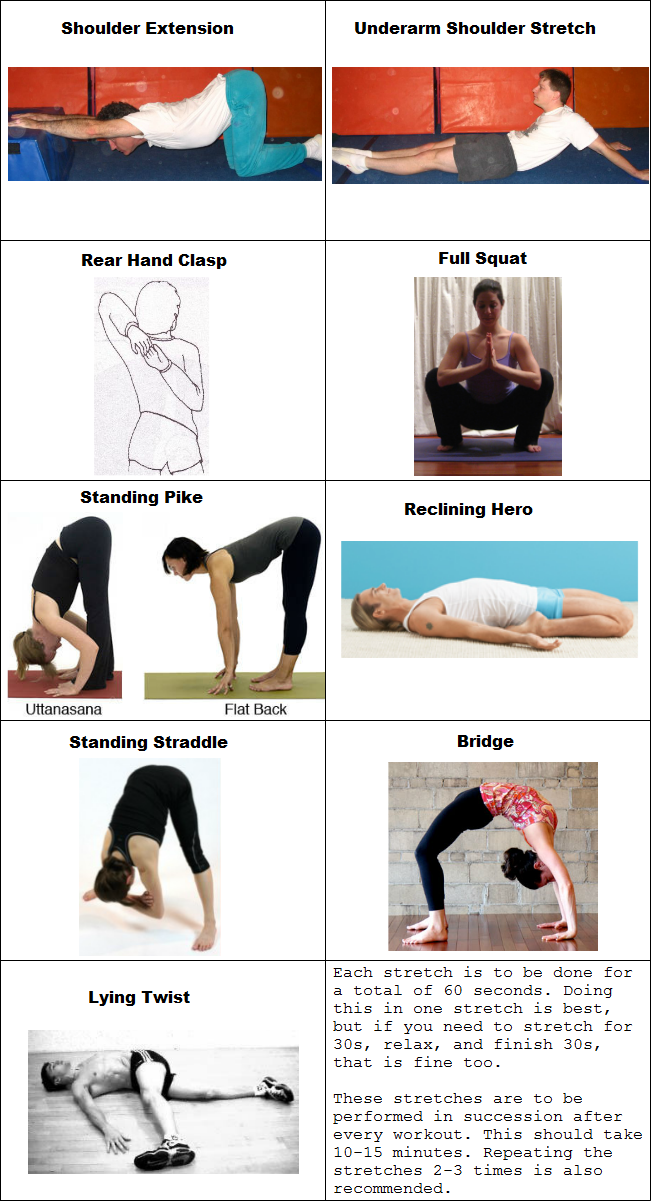
Incorporating stretches into your daily routine can greatly improve your flexibility and contribute to a more agile lifestyle. Here are 10 essential stretches that can make a significant difference:
- Neck Stretch: Gently tilt your head toward one shoulder to feel a stretch along the opposite side of your neck.
- Shoulder Stretch: Bring one arm across your chest and use the other arm to pull it closer for a deeper stretch.
- Triceps Stretch: Raise one arm overhead and bend the elbow, using the opposite hand to gently push back on the elbow.
- Chest Stretch: Stand in a doorway, place your arms on the frame, and lean forward to open up the chest muscles.
- Cat-Cow Stretch: On all fours, alternate between arching your back and dropping your belly to enhance spinal flexibility.
These stretches not only enhance your agility but also promote overall wellness. Here are the remaining five essential stretches:
- Hip Flexor Stretch: Lunge forward with one leg while keeping the other knee on the ground to stretch the hip area.
- Hamstring Stretch: Sit on the ground with one leg extended and reach toward your toes, keeping the other leg bent.
- Quadriceps Stretch: Stand and grab one ankle, pulling it toward your glutes while keeping your knees together.
- Calf Stretch: Step backward with one leg while keeping the front knee bent to effectively stretch the calf muscle.
- Figure Four Stretch: Lie on your back, cross one ankle over the opposite knee, and pull the uncrossed leg toward you for a great hip opener.
Is Your Body Stiff? Signs It's Time to Start Stretching
If you find that simple movements are becoming increasingly difficult, it may be a sign that your body is stiff. Common indicators include difficulty bending down, tightness in your muscles, or an inability to reach for items without discomfort. These symptoms can hinder your daily activities and lead to a more sedentary lifestyle. Ignoring these signs can result in further stiffness and reduced mobility over time. It's essential to listen to your body and take action when you notice these changes.
Another sign that it might be time to start stretching is experiencing muscle soreness after physical activity that previously did not cause pain. If you feel aches that linger for days, your body may be signaling that it's time to incorporate regular stretching sessions into your routine. Stretching not only improves flexibility but also enhances blood circulation and reduces the risk of injury. To develop a personalized stretching regimen, consider consulting a fitness expert or following online guidelines tailored to your needs.